Understanding this year's winterkill in the Upper Midwest
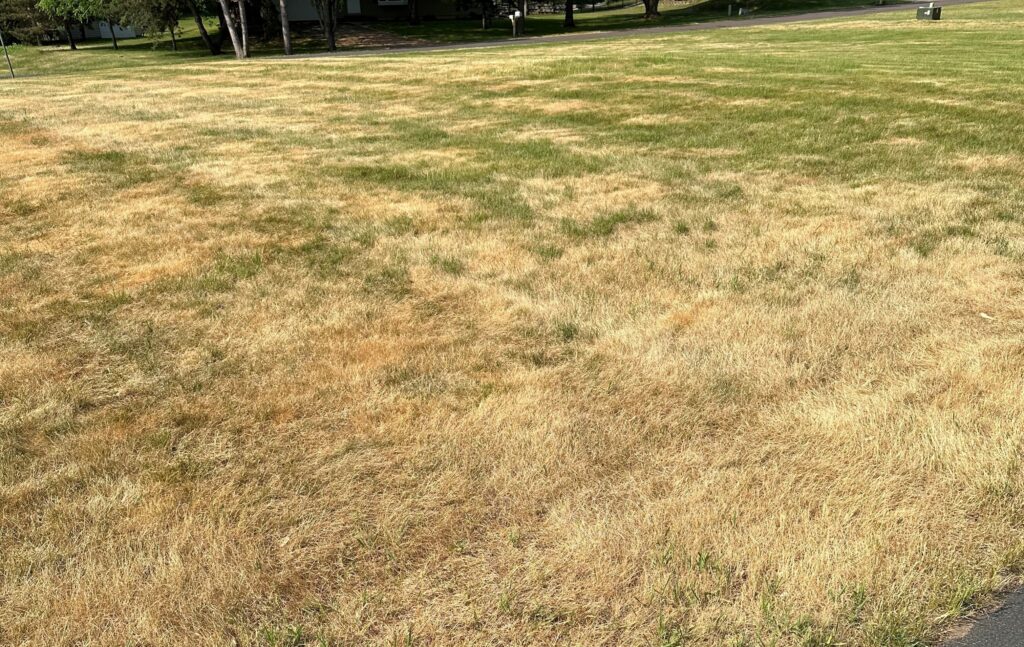
This spring, we’ve received a surge of calls from customers concerned about dead or patchy grass in their lawns. After reviewing multiple cases with our partners, we’ve observed that perennial ryegrass and tall fescue have been especially affected. The likely cause? Winterkill, due to a combination of unusual weather patterns and environmental stressors.
What happened this winter?
Our winter in the Upper Midwest was far from typical. While snow mold has been virtually nonexistent this year, the real issues appear to stem from moisture-related damage, including:
Desiccation: Drying out of plant tissues from exposure to wind and sun, especially in areas with little or no snow cover.
Crown Damage: Repeated freezing and thawing can damage the growing point of the grass.
Ice Cover: Prolonged ice can suffocate the turf, especially in low-lying or compacted areas.
One major factor was how the turf entered winter. A warm, dry fall—marked by record-breaking temperatures and low precipitation—left many lawns underprepared for the cold season. December 2024 capped off one of the warmest years on record in the Twin Cities. With below-average snowfall during the winter, many lawns were left exposed to fluctuating temperatures and drying winds, which pulled vital moisture from the plants.
Lawns in full sun, sandy soils, and on slopes were especially vulnerable due to faster drying and less moisture retention. Snowcover, when present, acts as a natural insulator—protecting turf from extreme cold and rapid changes in temperature. Without it, grasses are far more susceptible to winter damage.
Steps to Reduce Winterkill Risk
While we can’t control the weather, there are a few practical steps that can help reduce the risk of winterkill in future seasons:
Choose winter-hardy grass species, such as Kentucky bluegrass and fine fescues, which tend to survive harsh conditions better than perennial ryegrass and tall fescue.
Water late into the fall, if conditions are dry, to ensure the lawn is well hydrated before winter dormancy.
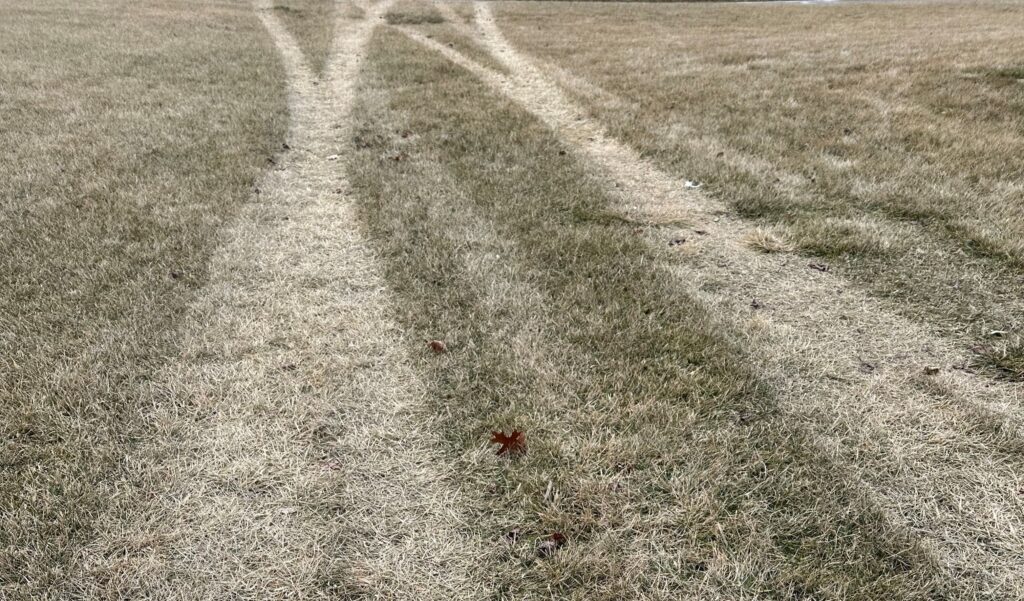
Limit traffic on dormant turf in late fall and winter, especially when the ground is frozen or during thaw periods.
Consider dormant seeding in late fall to help maintain or boost turfgrass density for the following spring.
Helping You Navigate Unpredictable Seasons
We understand how frustrating these conditions can be—especially when you’ve made an investment in your lawn or landscape. While we can’t change the weather, we’re committed to helping you make informed decisions and support your turf through the challenges that come with unpredictable Midwest winters.
If you have questions about reestablishing your lawn or selecting better-adapted seed varieties, don’t hesitate to reach out.