Once the seed is in your care, its potential lies in your hands – and we are here to help you unlock it. As we work together to create beautiful and thriving lawns, we occasionally encounter challenges that can hinder success. By learning from these experiences, we can ensure that your investment in seed and soil yields the lush, healthy lawn or garden you envision. In this newsletter, we’ll highlight some common mistakes we’ve observed in 2024 and provide actionable tips to help you avoid them.
Poor Seedbed Preparation
A successful lawn starts with proper seedbed preparation, but certain missteps can spell trouble:
Tilling and Weed Seeds: Over-tilling can bring dormant weed seeds to the surface, leading to a lawn filled with unwanted plants. Avoid deep tilling and focus on shallow, even preparation to create a firm and level seedbed. It’s best to ensure minimal weed pressure during your grow-in. Keep in mind that glyphosate applications prior to seeding does not effectively harm weed seed. Even if the herbicide was used to kill the existing vegetation prior to seeding, the dormant weed seed may still germinate with the grass.
Burying Seed Too Deep: Seeds need light and contact with soil to germinate. Lightly rake after seeding to ensure proper coverage without burying the seeds too deeply. Surface seeding works well, if there’s seed-to-soil contact.
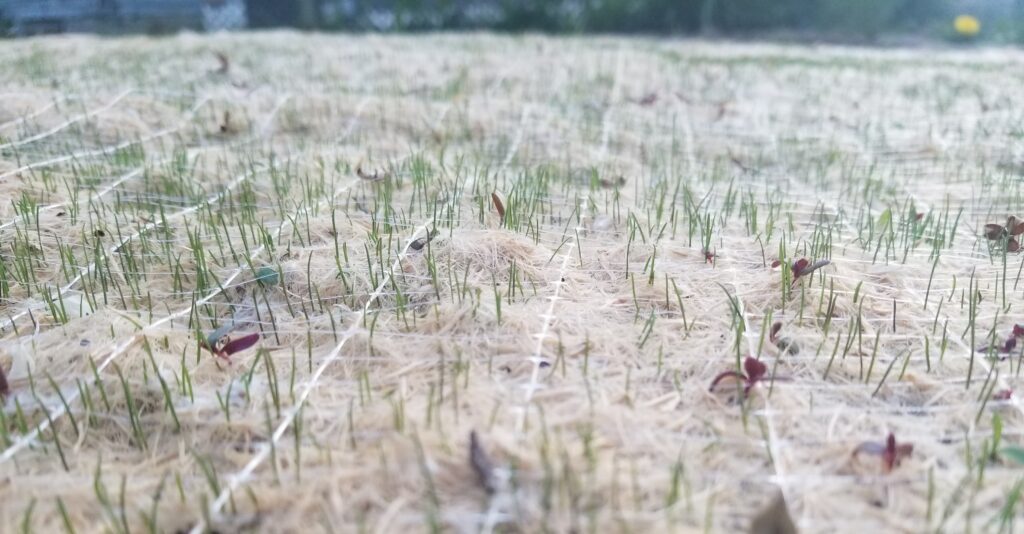
Inconsistent Moisture: Germinating seeds require consistent moisture. Set up a light and frequent watering schedule to keep the soil damp but not soaked until germination occurs. Erosion control blankets and straw can help maintain moisture retention on the surface if watering frequently is difficult. Once the seedlings reach 2 inches in height, irrigation can be reduced.
Preemergent Herbicide Timing & Seed Growth
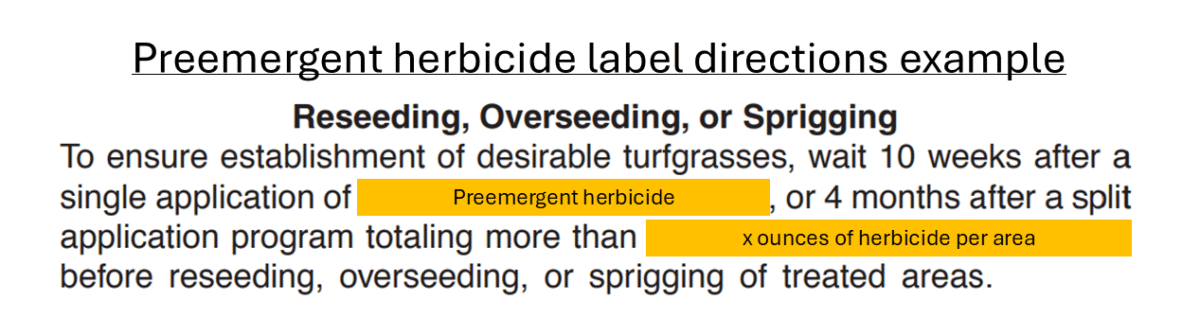
Applying a crabgrass preemergent herbicide before planting grass seed can prevent germination altogether. Always check the timing and compatibility of herbicides with your planned seeding schedule. If you’ve applied a preemergent, wait the recommended period before sowing seed, or consult with us for alternatives. Always refer to the herbicide label. It is the law, after all.
Mismanaged Pregermination
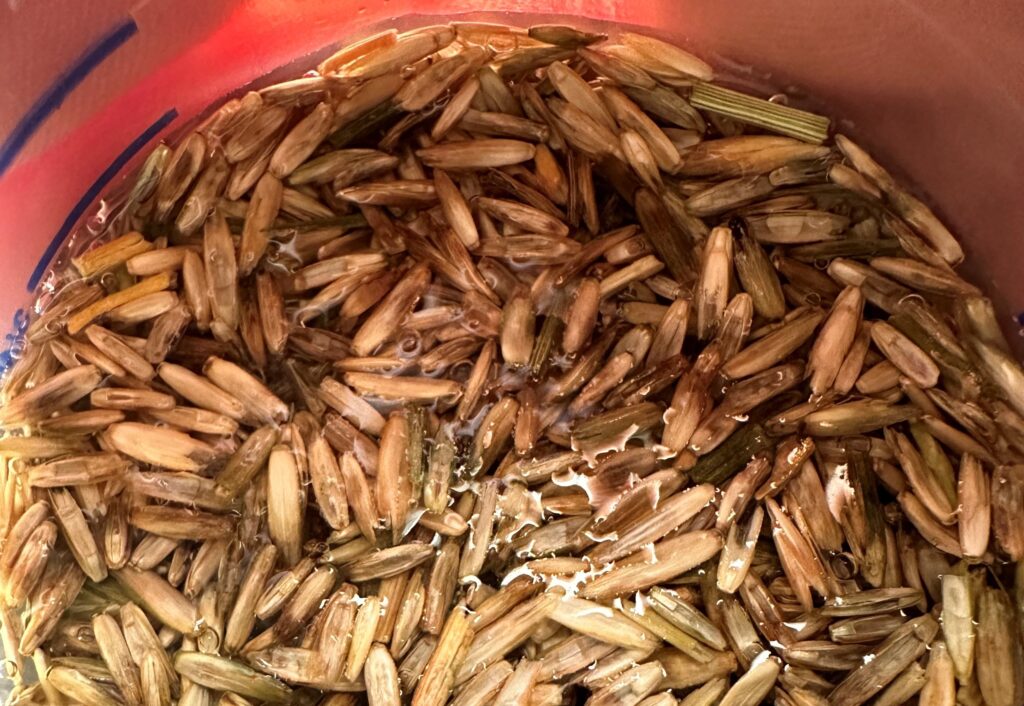
While pregerminating seeds can speed up germination, it must be done with care.
Do a Test Run: Try a proven pregermination method with a small sample of your seed first.
Avoid Rotting Seeds: Pregerminated seeds must not sit in water for too long or they may rot.
Moisture After Application: Once applied to the lawn, pregerminated seeds require immediate watering to maintain moisture. Once the first root pokes out, there’s no going back.
Stick to Kentucky Bluegrass: Pregermination is typically unnecessary for other grass types, so save yourself the effort and focus on proper sowing practices.
Overwatering During Wet Periods
Excess water can be just as damaging as too little. This wet summer in the Twin Cities, we’ve seen:
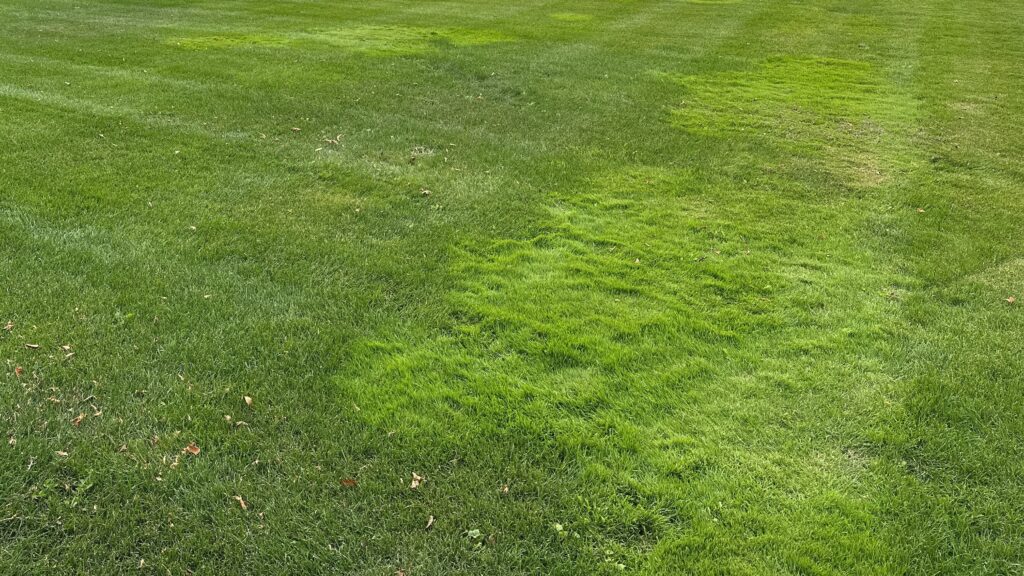
Lawn Disease and Weeds: Overwatering promotes diseases and moisture-loving weeds like creeping bentgrass and chickweed.
Water Conservation Concerns: Many homeowners are increasingly concerned about their neighborhood’s water use. Several residents of HOA’s have expressed their frustrations with unnecessary, heavy irrigation practices in which they have no say. If possible, adjust irrigation schedules to match rainfall and water only when necessary to conserve resources and maintain a healthy lawn. Technologies such as smart irrigation controllers and soil moisture sensors are growing in popularity, providing responsible water use and savings.
Communication with Lawncare Providers
Good communication is critical to avoid mishaps. This apply to both parties.
Failed Seedings: Ensure that your lawncare provider or homeowner knows about recent seed applications and adjusts mowing and herbicide schedules accordingly.
Bee Lawn Mixes: Flowering plants in bee lawn mixes require special care, as they are broadleaves. Make sure your provider is aware of these areas to avoid accidental damage. Signage can help as a reminder for your provider.
Conclusion
Mistakes happen, but with careful planning and attention to detail, they can be minimized. Whether it’s preparing your seedbed properly, managing irrigation, or aligning with your lawncare team, we’re here to support you every step of the way.
If you have any questions or concerns, please reach out to us. We’re happy to help you achieve the lawn and garden you expect.