
Winter Overseeding in Bermudagrass Lawns
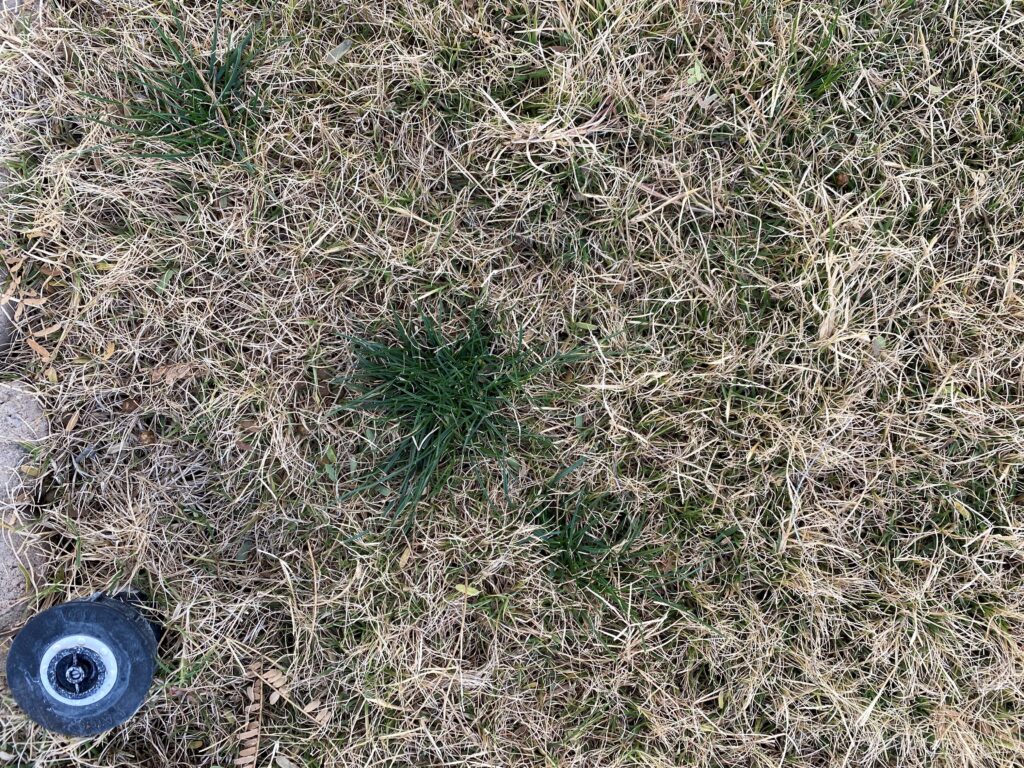
Winter overseeding involves planting cool-season grasses, like perennial ryegrass into warm-season lawns such as bermudagrass. This practice is common in regions with hot summers and mild winters, especially in the southern U.S., where bermudagrass thrives during the growing season but goes dormant and turns brown when temperatures drop in late fall and winter. Overseeding with perennial ryegrass provides a green, aesthetically appealing turf during the cooler months, as it remains actively growing in lower temperatures.
Benefits of Overseeding
- Year-round aesthetic: Overseeding ensures the lawn stays green throughout the winter when bermudagrass is dormant.
- Erosion control: Active turf during winter prevents soil erosion from winter precipitation.
- Functional use of the lawn: With perennial ryegrass, the lawn remains usable for activities such as sports or social gatherings during the winter months.
Growth Characteristics
- Bermudagrass is a warm-season grass species that flourishes in temperatures between 75°F and 95°F. Its optimal growing conditions occur during late spring, summer, and early fall. When temperatures fall below 50°F, bermudagrass enters dormancy.
- Perennial ryegrass is a cool-season grass species. It exhibits its optimal growth between 60°F and 80°F. This temperature range occurs primarily during the fall, winter, and early spring, making it an ideal overseeding choice for bermudagrass lawns in warmer climates.
Timing of Overseeding
The timing of overseeding is critical to ensure optimal establishment of perennial ryegrass. The best time to overseed is in the early fall, typically when nighttime temperatures drop to between 60°F and 70°F, and bermudagrass growth begins to slow down as soil temperatures drop below 70°F.
- Optimal window: Late September to mid-October (varies by region)
- Soil temperature: 65°F–70°F for seed germination of perennial ryegrass
- Daytime temperature: 70°F–80°F for perennial ryegrass establishment
Steps for Winter Overseeding
- Preparation of Bermudagrass Lawn
- Mow the bermudagrass to a low height or scalp. Short mowing helps reduce competition between bermudagrass and perennial ryegrass.
- Thatch removal: Bermudagrass lawns should be dethatched to remove excess organic material, which can inhibit seed-to-soil contact and reduce overseeding success.
- Aeration: Core aeration helps alleviate soil compaction and creates better seed-to-soil contact.
- Seeding Method
- Spread the perennial ryegrass seed evenly across the lawn using a broadcast spreader.
- Rake or drag the soil lightly after spreading to ensure good seed-to-soil contact.
- Irrigation
- Keep the newly seeded area consistently moist for 7-10 days to ensure germination. Light, frequent watering (3-4 times daily) is recommended.
- After germination, reduce the watering frequency but increase the depth, allowing the roots to establish.
- Fertilization
- Initial fertilization: Apply a starter fertilizer at the time of overseeding to promote seedling establishment.
- Post-germination fertilization: After 3-4 weeks, feed the seedlings a nitrogen-rich fertilizer to support vigorous growth.
Maintenance After Overseeding
- Mowing: Once the ryegrass reaches a height of 2 inches, mowing can begin. Regular mowing encourages denser turf growth and quicker establishment.
- Irrigation: Adjust watering to deeper, less frequent applications (1–2 times per week), especially as the ryegrass matures.
- Fertilization: Lightly apply nitrogen-based fertilizers every 4-8 weeks during the winter growing season.
Conclusion
Winter overseeding with perennial ryegrass provides a practical and aesthetically pleasing solution to maintaining a green lawn throughout the winter months when bermudagrass goes dormant. Proper timing, preparation, and ongoing maintenance are key to a successful overseeding project. With careful management, homeowners and turf managers can enjoy a lush, green lawn year-round, while supporting soil health and preventing erosion.